
Intro
A strong core is more than just a six-pack flex in the mirror; it’s the foundation of balance, posture, mobility, athletic performance, and long-term spinal health. Your core is hard at work, whether you’re lifting weights, running, playing sports, or getting through your daily routine. But before diving into planks and crunches, warming up the right way is paramount. It reduces stiffness, fires the right muscle groups, and prevents injury-all of which instantly enhance the effectiveness of your workout.
In this post, you will learn about the best pre-stretches and most powerful exercises for building a rock-solid core.
Why Your Core Matters More Than You Think
Your core encompasses more than just your abs: the transverse abdominis, obliques, rectus abdominis, diaphragm, pelvic floor, and even the lower back all come together as an integrated system to:
- Stabilize your spine
- Improve posture
- Improve athletic power and endurance
- Reduce back pain
- Improve mobility and coordination
A weak core will often result in fatigue, discomfort, and poor form for physical activities. Strengthen it, and you set a foundation for a healthier, more active lifestyle.
Pre-Workout Stretches to Unlock Your Core
Before training your core, you must loosen up your hips, lower back, and abdominal wall. Here are the best pre-stretches that prepare your muscles for maximum performance:
1. Cat-Cow Stretch
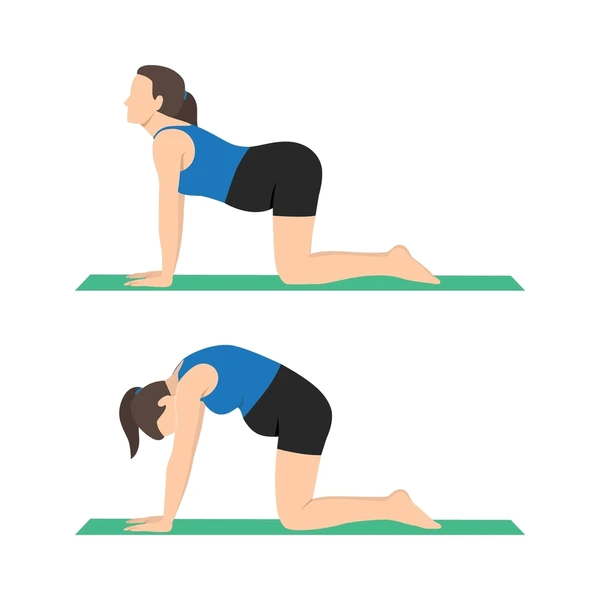
Targets: Spine, lower back, diaphragm activation
Duration: 30–45 seconds
The Cat-Cow is a gentle spinal mobility exercise that warms up your whole core. It improves blood flow, loosens stiff vertebrae, and wakes up the muscles around your spine.
How to do it:
- Start on all fours with your wrists under your shoulders.
- Inhale and drop your belly while lifting your head (Cow).
- Exhale, arch your back, and tuck your chin (Cat).
- Repeat smoothly.
2. Standing Side Stretch
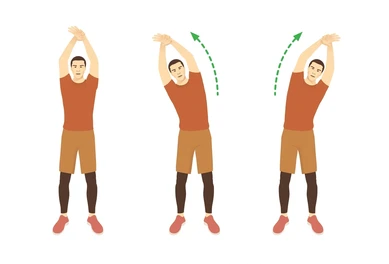
Targets: Obliques, lats, rib cage
Duration: 20–30 seconds per side
A flexible rib cage and oblique region promote better rotation and stability during core exercises.
How to do it:
- Stand tall, raising one arm overhead.
- Lean to the other side.
- Hold and breathe deeply.
3. Hip-Flexor Lunge Stretch
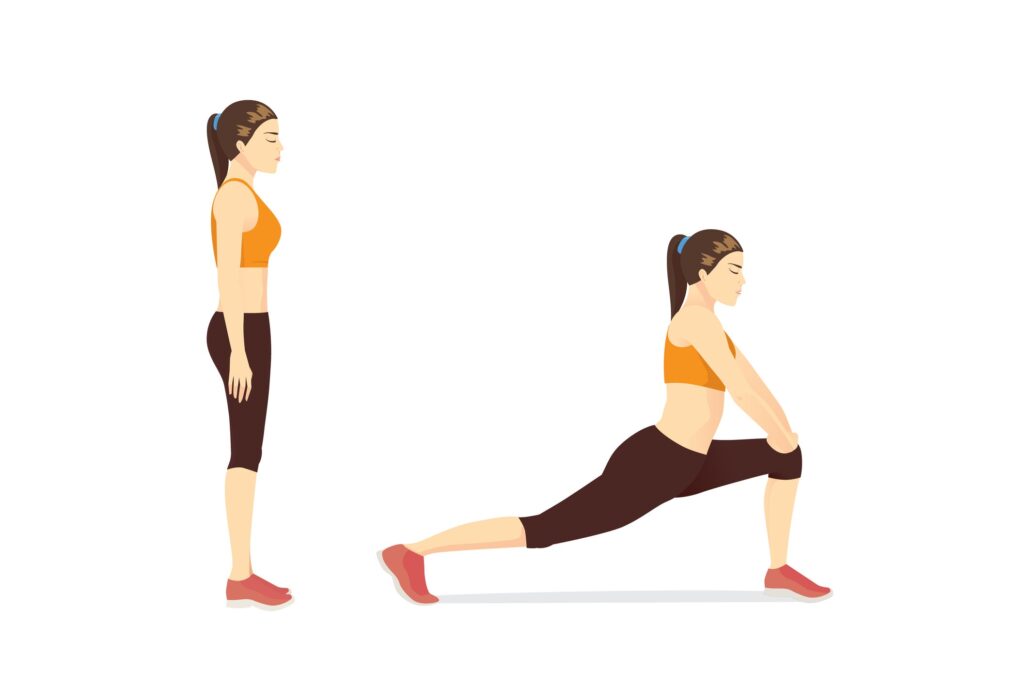
Targets: Hip flexors, lower abs, pelvic stabilizers
Duration: 30–40 seconds per side
Tight hip flexors can sabotage your core workouts by tilting your pelvis forward. This stretch opens them up and helps maintain proper alignment.
How to do it:
- Step into a deep forward lunge.
- Drop your back knee, push your hips forward.
- Keep your chest lifted and back straight.
4. Child’s Pose
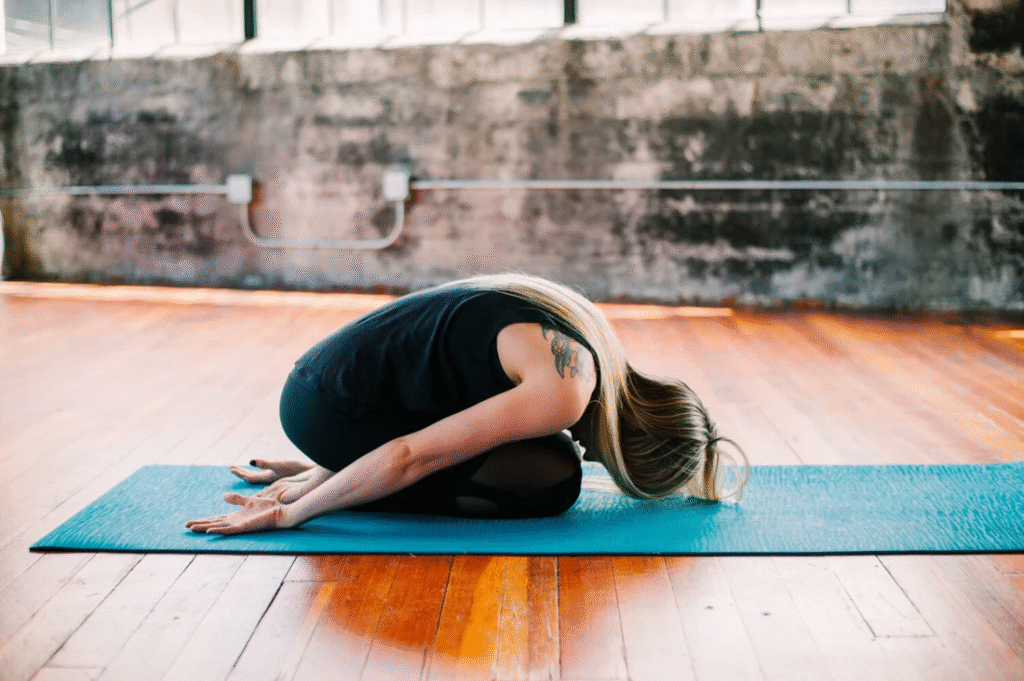
Targets: Lower back, abs, diaphragm, pelvis
Duration: 45–60 seconds
This helps release tension in the lower back, an essential precursor to working the core.
How to do it:
- Sit back onto your heels.
- Reach your arms forward on the floor.
- Relax and breathe.
The Best Core Exercises for Strength, Stability & Definition
Once you’re stretched and activated, you’re ready to challenge your core with exercises that target every major section. These movements aren’t just about aesthetics—they’re about building functional strength.
1. Plank (The King of Core Stability)
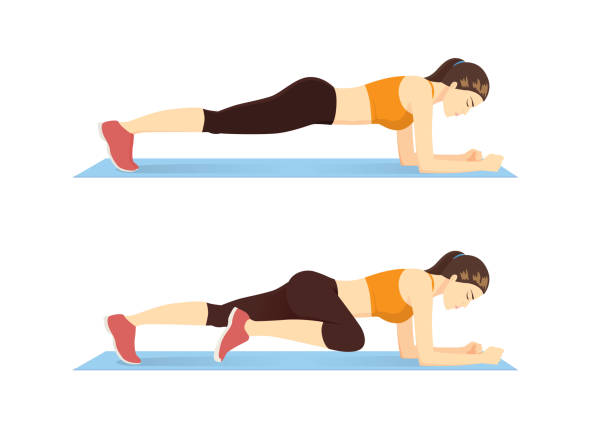
Targets: Entire core, lower back, glutes
Duration: 30–60 seconds
The plank position forces your entire midsection to fire up, creating a stable line. It’s probably one of the best exercises for deep core engagement out there.
How to do it:
- Get into a forearm plank.
- Keep your body straight, your glutes tight, and your hips level.
- Avoid sagging or lifting the hips.
Why it works:
It turns on your transverse abdominis-the muscle that gives you a naturally tighter waist.
2. Dead Bug
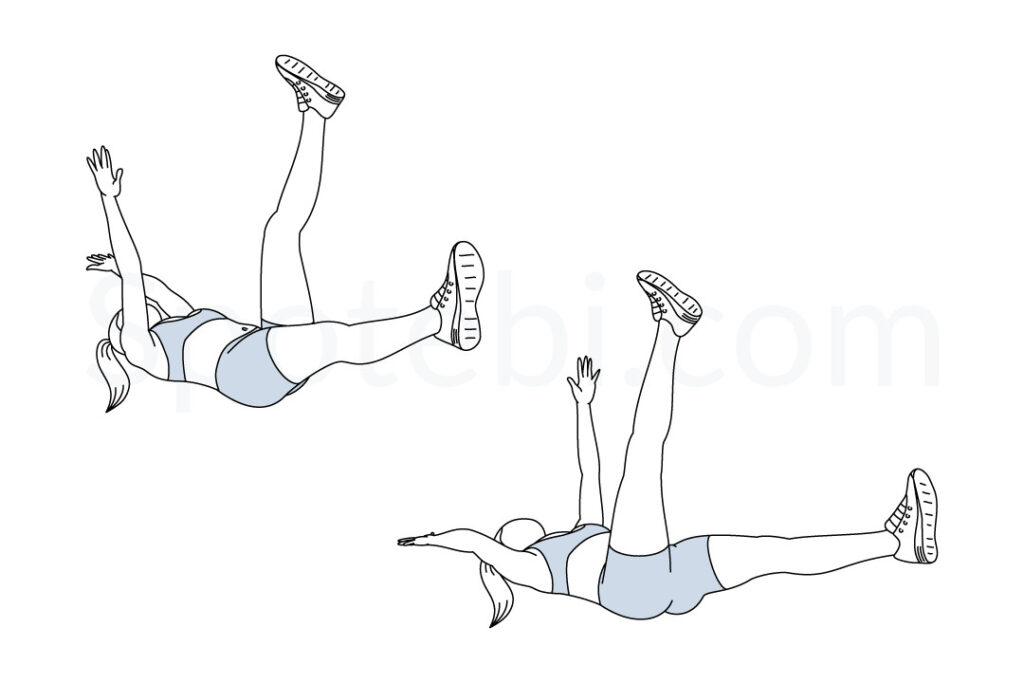
Targets: Lower abs, spine stabilizers
Reps: 10–15 per side
Dead Bugs build coordination between your core and limbs, mimicking real-life movement.
How to do it:
- Lie on your back with your arms up and knees bent at 90°.
- Lower one arm and the opposite leg at the same time.
- Return and switch sides.
Why it works:
Reduces lower-back stress while training your deep core muscles.
3. Bicycle Crunches
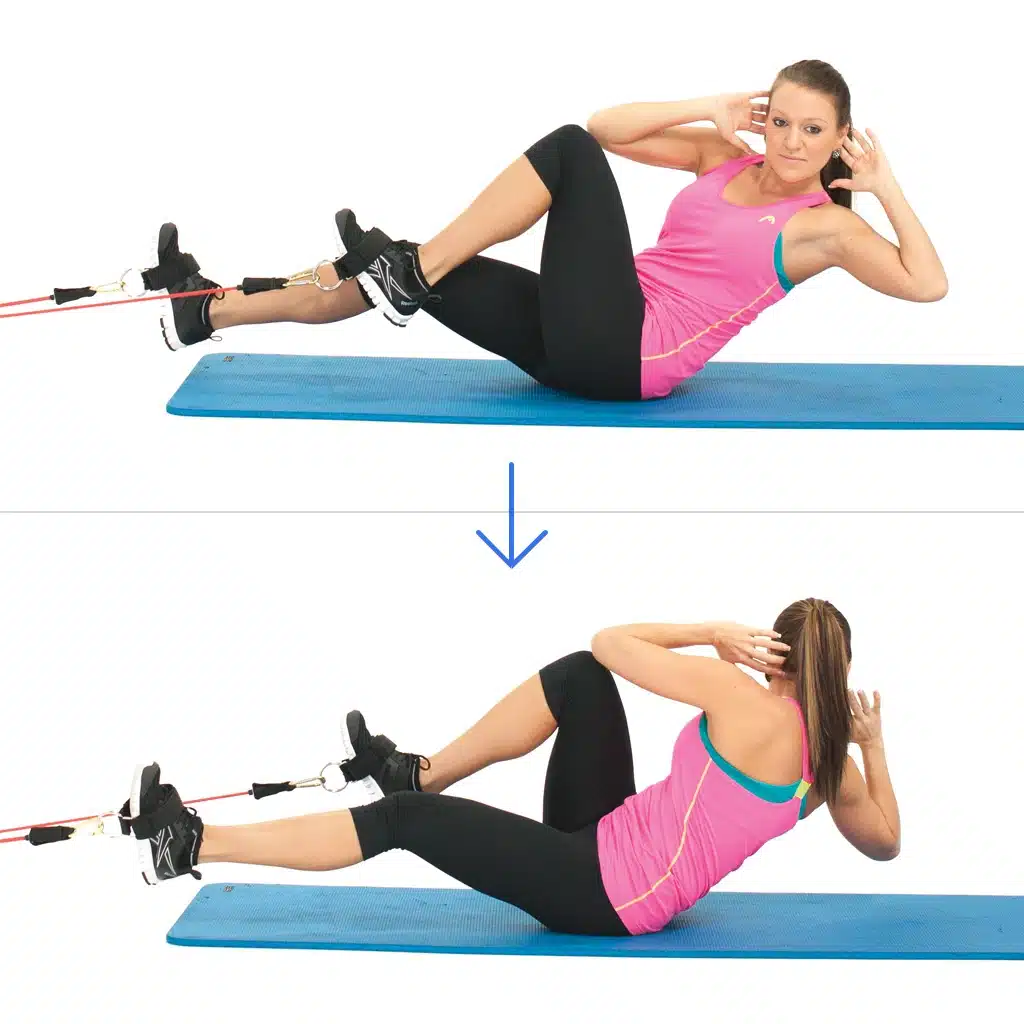
Targets: Obliques, upper abs, lower abs
Reps: 20–30 total
That’s a classic movement focused on rotation, which is actually important for true functional strength.
How to do it:
- Lie on your back with hands behind your head.
- Bring opposite elbow to opposite knee.
- Twist smoothly without pulling on your neck.
Why it works:
It activates more abdominal muscle fibers than regular crunches.
4. Russian Twists

Targets: Obliques, transverse abdominis
Reps: 20–30 total
Rotational movements improve core balance and stability.
How to do it:
- Sit with feet slightly lifted.
- Lean back and twist your torso side to side.
Why it works:
Strengthens the muscles responsible for side-to-side motion and posture.
5. Leg Raises
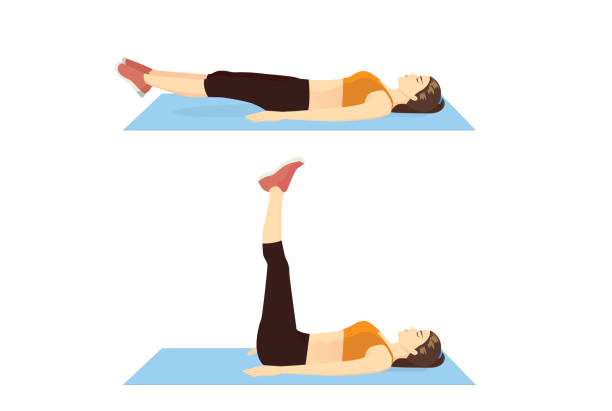
Targets: Lower abs
Reps: 12–15
The lower abs are usually the weakest and hardest to train; leg raises target them directly.
How to do it:
- Lie flat with legs extended.
- Raise your legs slowly without arching your back.
- Lower them under control.
Why it works:
Trains your lower core and helps to flatten the lower belly region.
6. Mountain Climbers
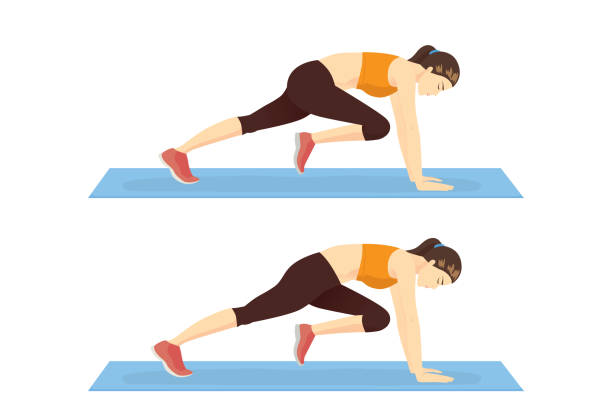
Targets: Full core, shoulders, lower abs
Duration: 30–40 seconds
This dynamic exercise also elevates your heart rate, making it a cardio-boosting core workout.
How to do it:
- Hold a high plank.
- Run your knees towards your chest in an alternating fashion.
Why it works:
Great for burning calories while strengthening the core.
7. Back Extensions
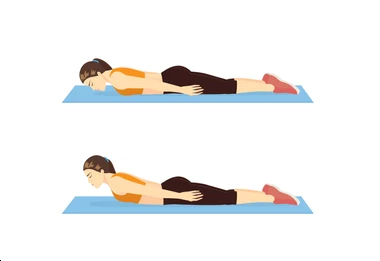
Targets: Lower back, glutes
Reps: 12–15
Core training is not complete without strengthening your back muscles as well.
How to do it:
- Lie on your stomach.
- Gently lift your chest off the ground.
- Keep your neck neutral.
Why it works:
Balances your core and prevents back pain.
Sample Core Workout Routine
Here’s a simple, balanced routine you can repeat 3–4 times a week:
Warm-Up (3–5 minutes)
- Cat-Cow
- Hip-Flexor Stretch
- Standing Side Stretch
Workout (2–3 Rounds)
- Plank – 45 seconds
- Dead Bug – 12 each side
- Bicycle Crunch – 20 reps
- Leg Raises – 12 reps
- Russian Twists – 25 reps
- Mountain Climbers – 30 sec
Cool Down
- Light spinal rotation – 30 sec per side
- Child’s Pose – 60 sec
Pro Tips to Maximize Core Gains
✔ Focus on slow, controlled movements
✔ Maintain proper form over speed
✔ Breathe consistently—never hold your breath
✔ Train your core 3–4 times per week for best results
✔ Mix stability, strength, and rotation exercises
Final Thoughts
A more powerful core does not just look good; it makes your entire body function much better. With proper pre-stretches and a well-balanced core training program, you will enhance your posture, stability, athletic performance, and efficiency of day-to-day movements. Follow these exercises consistently, and your core will change inside and out.
